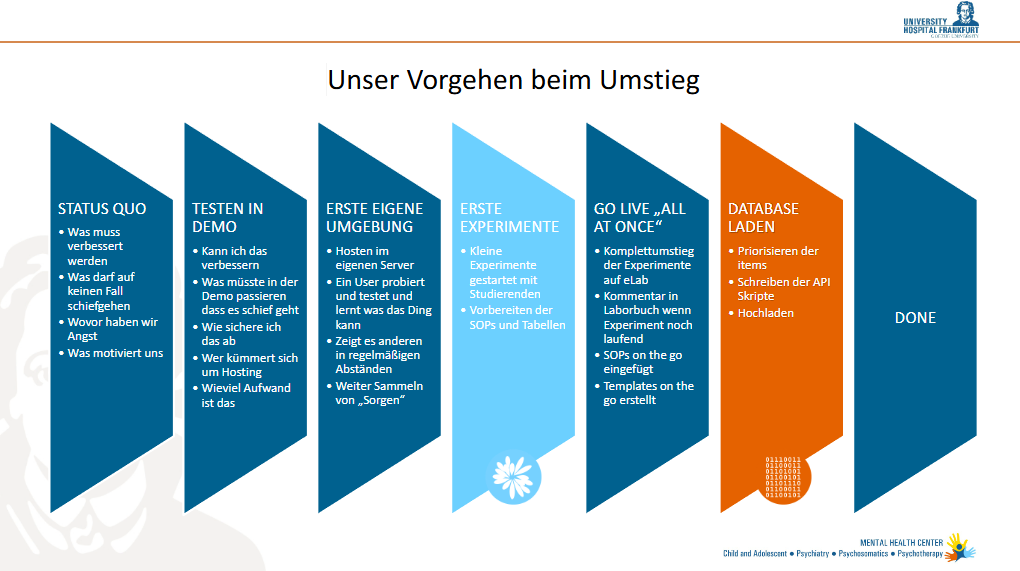
Public Talk: Getting Started and Working with eLabFTW
chiocchetti
A Hands-On Example from a Molecular Genetics Laboratory (German Language)
We describe the implementation of the electronic lab notebook eLabFTW in the molecular genetics laboratory of child and adolescent psychiatry at the University Hospital Frankfurt. The transition from paper-based documentation to a digital system improved experiment traceability, collaboration, and overall workflow efficiency. We share practical insights gained from our daily use of eLabFTW, including strategies for creating, collaboratively editing, and managing experiments, as well as for building and using searchable database items. We discuss the advantages and limitations of electronic lab notebooks and reflect on challenges encountered during the transition process, highlighting approaches that facilitated successful adoption within our team. This presentation was part of the HeFDI Data Week, which focuses on research data management, data literacy, and research infrastructure services.
R2D2-MH EU-funded project start: Increased quality of life for people with neurodevelopmental disorders
chiocchetti
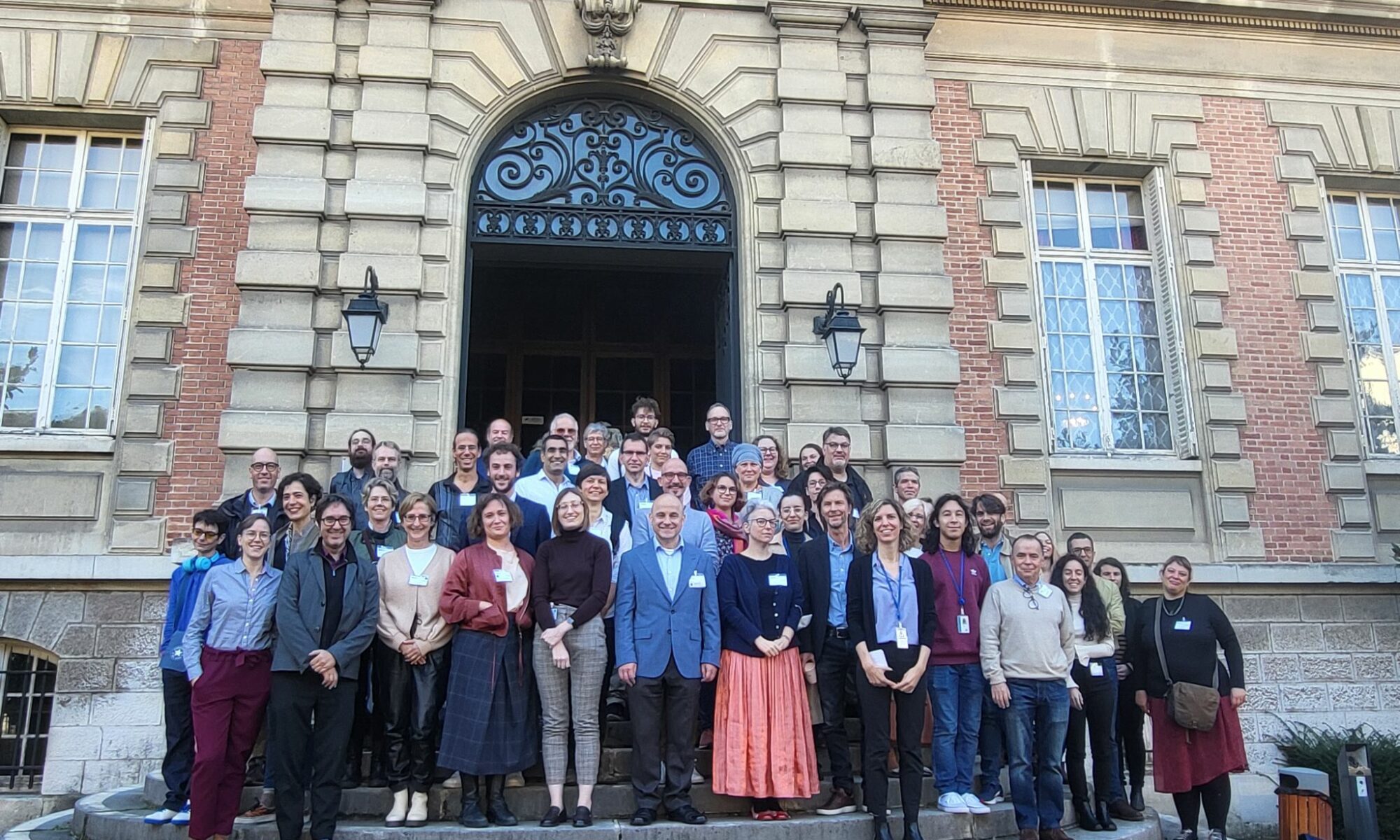
Experts from 26 countries have laid the foundations in Paris for innovative approaches to improving the quality of life of people with neurodevelopmental disorders. The international and interdisciplinary cooperation, in which our Laboratory and the Clinic for Psychiatry, Psychosomatics and Psychotherapy of Childhood and Adolescence at Frankfurt University Hospital is also involved with three research projects, is being funded by the EU with a total of eleven million euros until 2027.
Embracing developmental diversity as factor for well being
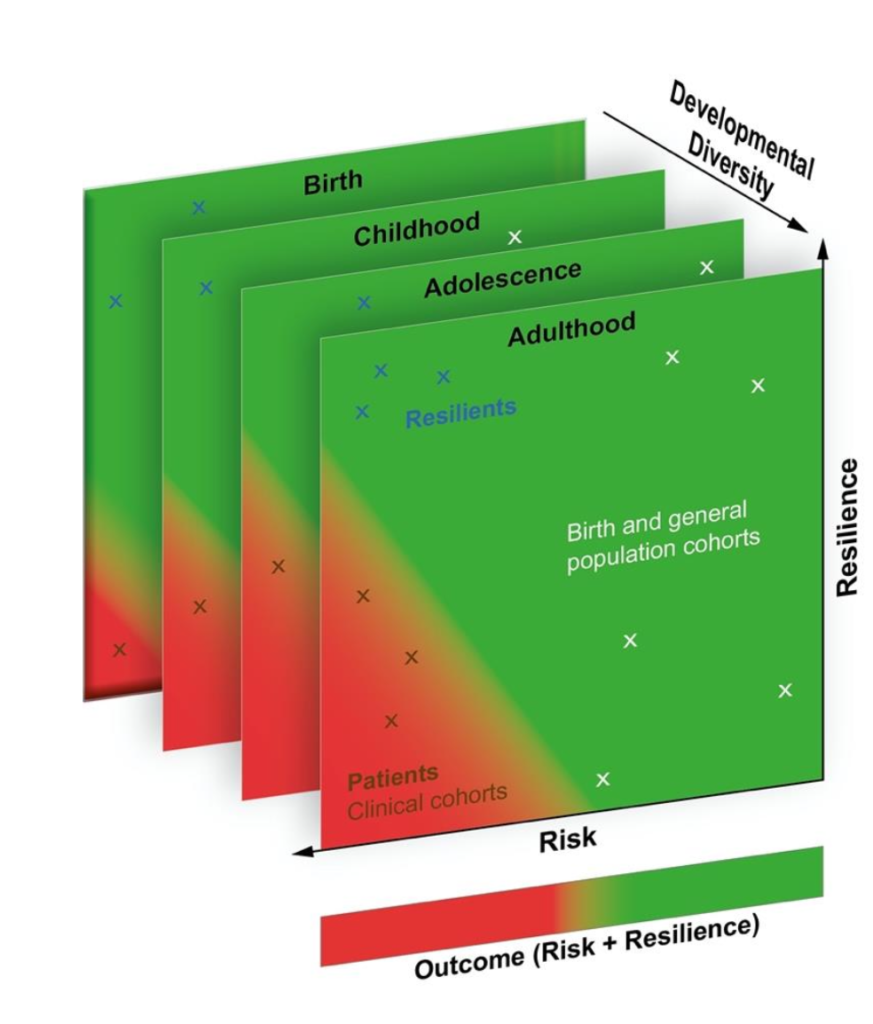
Together with 26 world-leading interdisciplinary research groups from Europe and associated countries, we are committed to improving the quality of life of individuals with neurodevelopmental disorders. The EU-funded project Risk and Resilience in Developmental Diversity and Mental Health (R2D2-MH) adopts a new approach: We are not studying only the risk but we will consider developmental or genetic diversity, as well as a diagnosis and life experiences as factors that influence mental well-being and functioning across the lifespan.
Large proportion of the population affected - neurobiological mechanisms little researched
Mental Health defines personal well-being and 38,2% of the population in the EU population are faced with a mental disorder or challenge which cost EU economies over €600 billion per year. Neurodevelopmental disorders (NDDs) are conditions affecting growth and development in the brain and typically start early in life. These include conditions such as autism, attention deficit / hyperactivity disorder (ADHD). People with NDDs and their families experience greater discrimination and stigma which has a further negative impact on well-being. Currently, there are no highly effective, evidenced based approaches to improve medium to long-term MH outcomes in the context of NDDs. This is due partly to a limited understanding of the neurobiological mechanisms involved in the transition from MH to illness throughout the life course and the interaction with environmental factors. The distinction between diversity and disorder is exactly where R2D2-MH comes in.
Towards a risk and resilience based personalized intervention
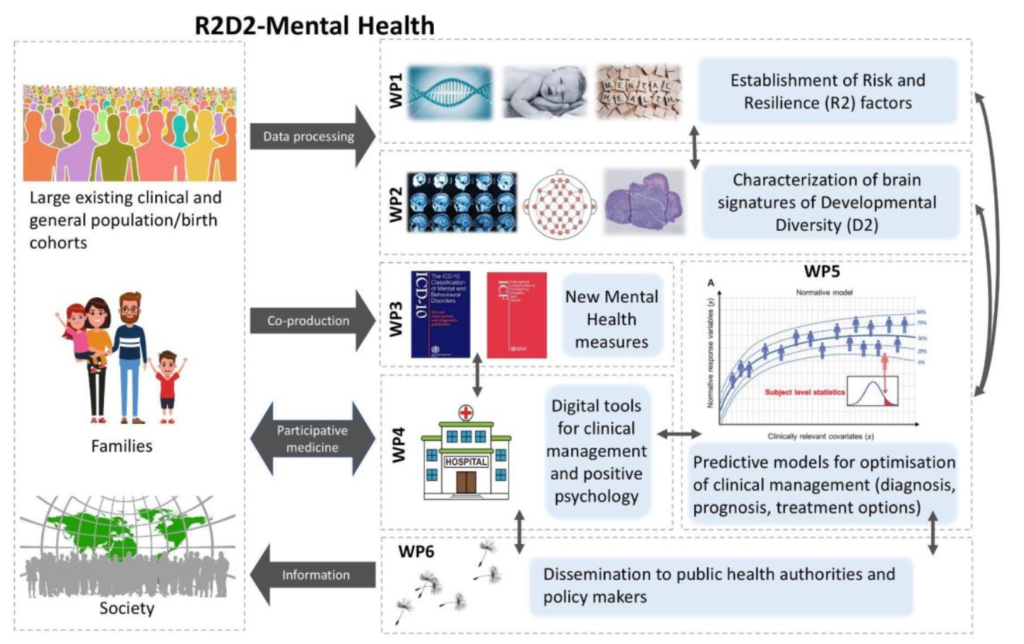
The Department for Child and Adolescent Psychiatry, Psychsosomatics and Psychotherapy of the University Hosptial Frankfurt will be involved in two workpacakges. The reserach group around Professor Ecker will focus on the characterization of risk and resilience markers of developmental diversity using brain imaging data in WP2 and combine them with gene expression, genetic as well as cell model data. Our laboratory will investigate in collaboration with Prof. Freitag in WP4, how treatment interventions interact with genetic markers on the outcome in neurodevelopmental disorders.
Inherent to all WPs is the co-creation with individuals that experience mental health problems in order to optimize study design and the defined outcome measures to ultimately increase the quality of life and well-being.
I am very excited by the idea to co-create the aims of our research with individuals that experience mental health challenges in their every day life.
By combining machine learning and genetics with clinical data-science and a patient oriented outcome definition, we will understand better who will benefit from which available treatment.
With the work in R2D2, we aim at understanding how different types of early intervention are modulated by genetic factors. Thus, we will be able to better understand why some individuals benefit from treatment and others don't.
For this we will collaborate with partners from Geneva (CH) and Queensland (AU) to compare cohorts with different background and treaments.
Deepening our understangin on how the the brain develops and how the genetics of neurodevelopmental phenotypes like Autism Spectrum Disorder are connected to it, will provide the most promising approach to disentangle the effec of neuronal diversity on peronal well being.
In R2D2 we are thrilled to work together with clinical and basic research partners in order to understand how neuronal markers are realted to mental well-being.
Previous
Next
New collaboration with stem cell company Neurolentech
chiocchetti
We are thrilled to announce our new collaboration with Neurolentech GmbH to generate patient-specific cellular models for neurodevelopmental disorders such as Autism Spectrum Disorder (ASD). Our common aim is to investigate disease mechanisms at the cellular, functional and molecular levels with the goal to generate tools and data to foster therapeutic drug development.
ASDs are genetic disorders affecting the expression and function of hundreds of genes that influence the development and performance of neuronal circuits. Currently, there are no available drug treatments targeting the core symptoms of ASDs. Research into the molecular and cellular mechanisms of ASDs are therefore needed to develop therapies in order to help patients and their families
Genetic research on neurodevelopmental disorders
The Department of Child and Adolescent Psychiatry, Psychosomatics and Psychotherapy (CAPPP) at the Center for Mental Health of the University Hospital Frankfurt is specialized in diagnosing and treating individuals with psychiatric conditions, especially ASD. The main aim is providing value to the patient’s and practitioners. Their research focuses on improving diagnosis, understanding prognosis and identifying new treatment options. Specifically, the Molecular Genetics Laboratory at the CAPPP is committed to elucidate the genetic drivers and their cellular pathogenic mechanisms behind neurodevelopmental disorders and translate this knowledge into clinical applications. To target the complexity of the goal, and to address the personalized approaches the CAPPP joins efforts with the highly innovative start-up Neurolentech GmbH.
Innovative methods towards personalized treatment
Neurolentech GmbH is specializing in rapid and cost-efficient generation and characterization of patient-specific cellular disease models for neurodevelopmental disorders, bridging the gap between clinical research and drug development. Under the terms of the collaboration agreement Neurolentech will receive primary ASD-patient cells in order to develop patient-specific neuronal cultures and characterize them using omics-approaches as well as functional assays with the goal of identifying biomarkers, biochemical pathways and targets that will facilitate pre-clinical drug discovery for ASDs.
Combining the excellent clinical characterization with high-end cellular models and methods, will significantly speed-up the identification and characterization of the underlying pathology. The collaboration with economic partners will tighten the link between patient care, pharmacological intervention and basic research. The focus has to be to increase our understanding of the diversity of the etiology underlying a complex disorder such as ASD
There is not one ASD, and thus there is no “one-size-fits” all solution. We are convinced that the collaboration with the highly innovative company Neurolentech, will pave the way towards a biology and data-driven personalized treatment approach”.
Our common goal to develop treatments for patients with neurodevelopmental disorders will put the individual in the center of research and development. Characterizing the disease within cellular models, together with high quality clinical and genetic diagnostics are the basis for understanding disease pathology and the first steps towards drug development. This long-term collaboration will advance both, academic research and commercial drug development for the benefit of patients and their families.
Basic research into the mechanisms of neurodevelopmental diseases like Autism Spectrum Disorder will provide the most promising approach to help the patients. We are thrilled to work together with strong and well-connected clinical partners in order to advance the best research for ASDs
Previous
Next
Stem cell based models of neuronal development in a dish
chiocchetti
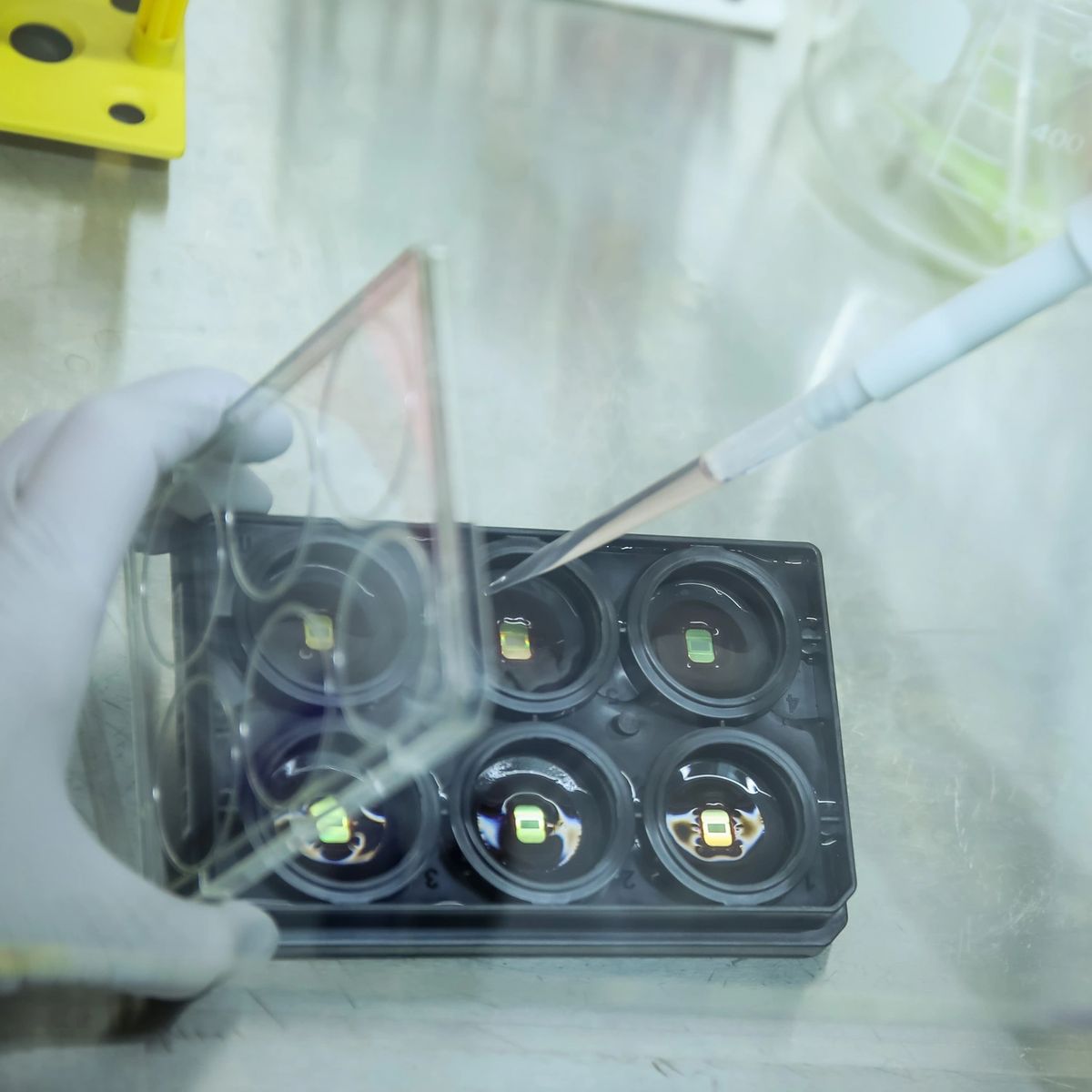
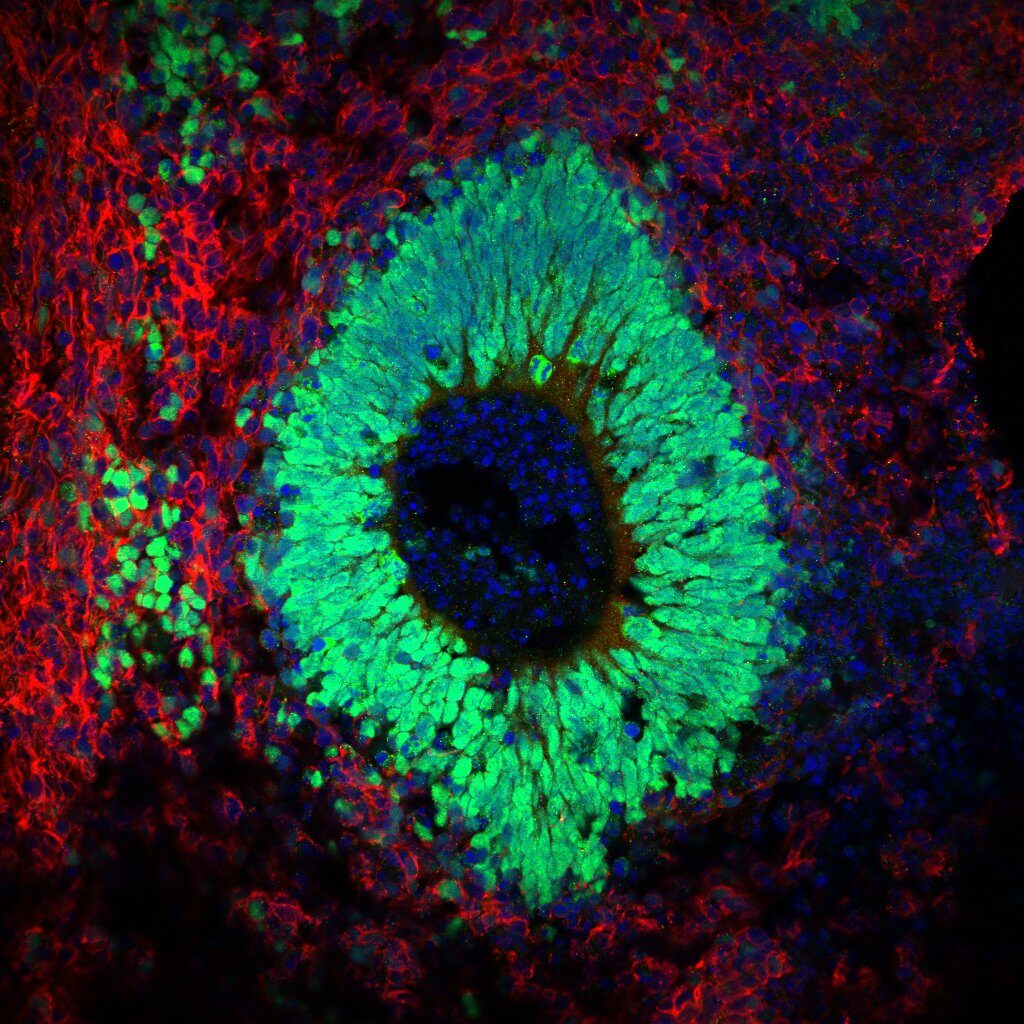
In order to study the development of human neurons and in particular to recapitulate the neurodevelopment of a given individual, we use human stem cells. In close cooperation with the Institute of Science and Technology Austria, we are currently establishing a standardized pipeline to model neuronal development in a dish. The aim is to study the development of glutamatergic and dopaminergic neurons in vitro and to model the neuronal development of study participants. Using cerebral organoids (3D cultures) we aim to identify the role of disease-relevant genes and the patients‘ specific mutations. This will help us to understand the underlying pathomechanism and to gain new insights into the development of personalized therapies.
Publications
in progress…
RAISE GENIC: Rational antiepileptic drug selection by combining gene network and ICT analyses
chiocchetti
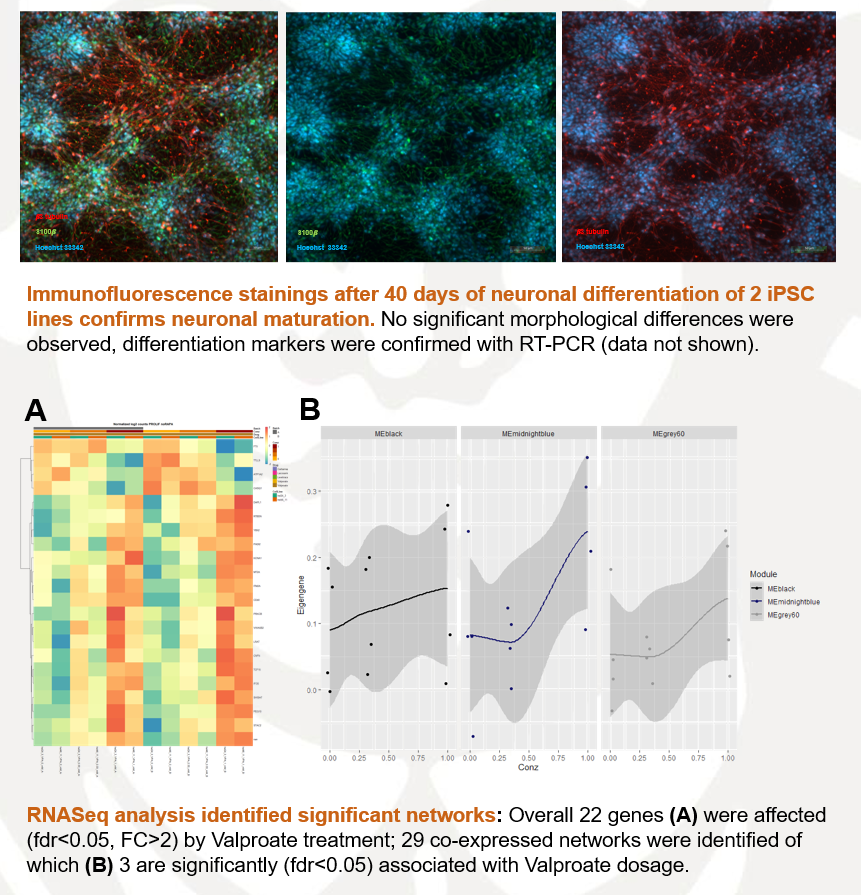
The RAISE-GENIC research network aims to identify models that allow predicting the drug therapy with the best chances of success for individual epilepsy patients for an individualized selection of anti-epileptic drugs. In our sub-project, we analyze RNA expression data of drug-treated cells and DNA sequencing data of affected patients and carry out the bioinformatic evaluation of the transcriptome networks and their processing for big data and machine learning analyses.
Valproate is known to activate a broad network of genes via transcriptomic regulation. We hypothesize that the transcriptomic response mediates success of valproate treatment and that thus alterations of the network properties are predictors of treatment outcome in patients with epilepsy.
We aim at developing a recommendation system for Valproate, integrating patients’ genetic information and the drug’s transcriptomic profile. For each patient in the study, we estimated how the genetic network properties are altered based on the individual’s mutational burden. We confirmed that the alteration of network properties are significant predictors of treatment outcome, although with moderate accuracy. In addition, we identified stable subgroups. The clinical association is currently under investigation.
Publications
in progress
Self-Injury Treatment, Assessment, Recovery: genetic risk factors
chiocchetti
The STAR project aims to identify the factors that contribute to the risk, prevention or recovery of non-suicidal self-injurious behaviour. The Molecular Genetics Laboratory is looking at genetic factors that may influence the reward system and the pain system in the brain. In particular, we are testing whether variants of the relevant genes might be related to behaviour and treatment outcome.
Publications
Yousaf, A., Waltes, R., Haslinger, D. et al. Quantitative genome-wide association study of six phenotypic subdomains identifies novel genome-wide significant variants in autism spectrum disorder. Transl Psychiatry 10, 215 (2020). https://doi.org/10.1038/s41398-020-00906-2
Genetic and epigenetic factors of female conduct disorder
chiocchetti
Our clinic is currently conducting a Europe-wide study to research social behaviour disorders in girls. The special focus of this study is on emotion processing, neurobiology and therapy of conduct disorders (CD). This disorder can negatively affect the development and well-being of affected children and adolescents as well as their families, caregivers and teachers. However, research to date has mostly focused on investigating the causes, course and treatment options for boys with CD. Although CD is more common in boys than girls, approximately one to three percent of girls also suffer from it, and the number of girls with CD in Western societies such as the EU has increased significantly in recent years. A total of 17 research institutes from eight EU countries are participating in the large-scale study. The aim of the study is to better understand social behaviour disorders and to identify possible differences between boys and girls with CD and healthy control subjects in order to develop improved treatment options.
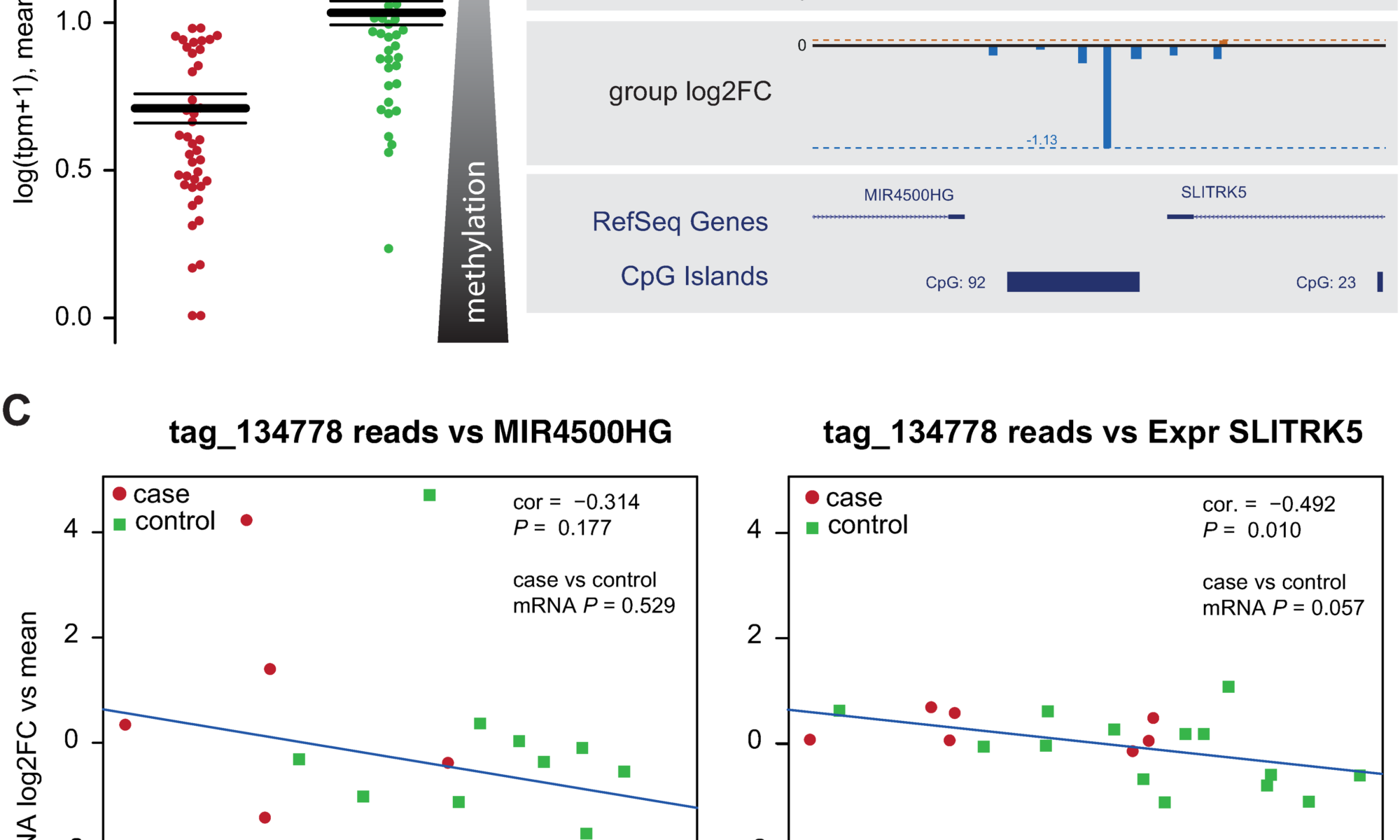
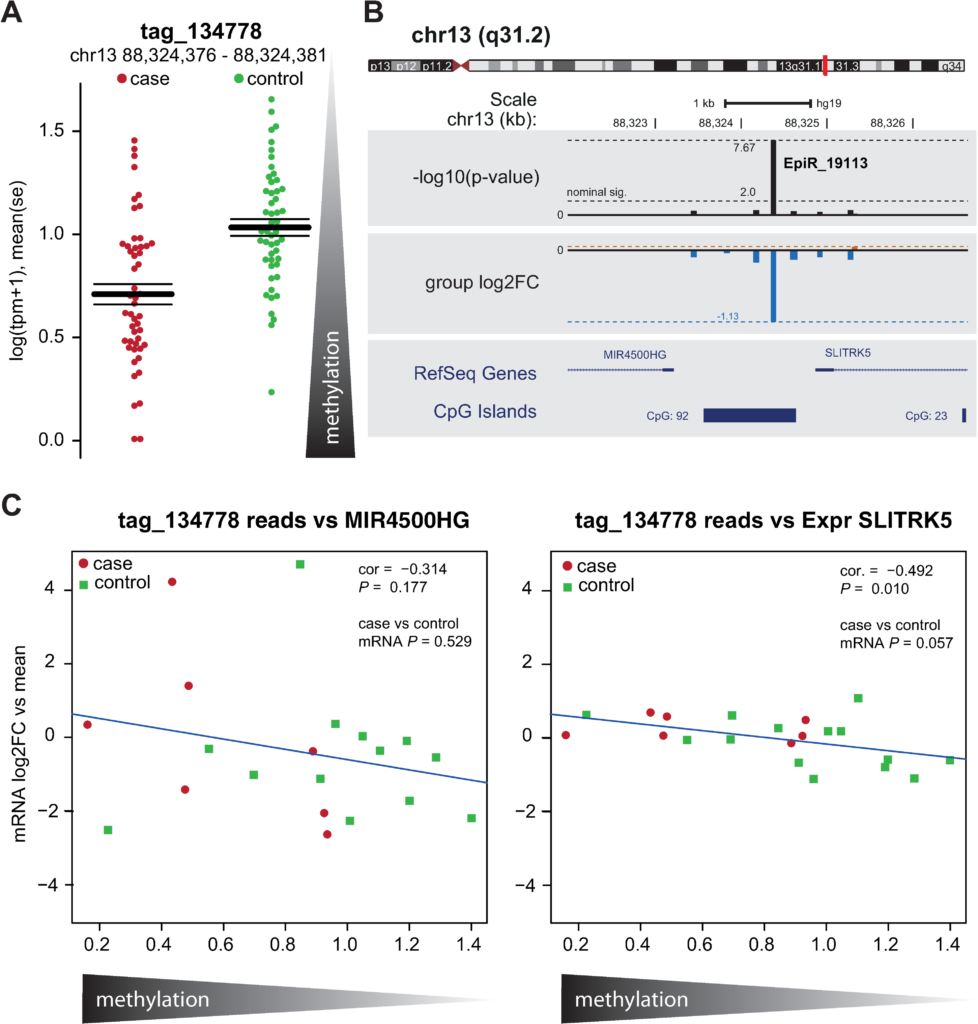
The molecular genetics laboratory is investigating which genetic and epigenetic factors influence the risk of conduct disorders (CD) in girls and whether these correspond to the risk factors described for boys. On the one hand, we are investigating the effect of environmental factors such as smoking during pregnancy in interaction with known genetic variants as a cause of CD. Secondly, we are searching genome-wide for patterns of differential methylation of DNA (epigenetics) in female patients and healthy girls.
Publications
Chiocchetti AG, Yousaf A, Waltes R, Bernhard A, Martinelli A, Ackermann K, et al. (2022) The methylome in females with adolescent Conduct Disorder: Neural pathomechanisms and environmental risk factors. PLoS ONE 17(1): e0261691. https://doi.org/10.1371/journal.pone.0261691

Farrow, E., Chiocchetti, A.G., Rogers, J.C. et al. SLC25A24 gene methylation and gray matter volume in females with and without conduct disorder: an exploratory epigenetic neuroimaging study. Transl Psychiatry 11, 492 (2021). https://doi.org/10.1038/s41398-021-01609-y
Farrow, E., Chiocchetti, A. G., Rogers, J. C., et al. (2021). Correction: SLC25A24 gene methylation and gray matter volume in females with and without conduct disorder: an exploratory epigenetic neuroimaging study. Translational psychiatry, 11(1), 553. https://doi.org/10.1038/s41398-021-01643-w
Freitag, C.M., Konrad, K., Stadler, C. et al. Conduct disorder in adolescent females: current state of research and study design of the FemNAT-CD consortium. Eur Child Adolesc Psychiatry 27, 1077–1093 (2018). https://doi.org/10.1007/s00787-018-1172-6
Bernhard A, Ackermann K, Martinelli A, Chiocchetti AG, et al. (2022) Neuroendocrine Stress Response in Female and Male Youths With Conduct Disorder and Associations With Early Adversity. J Am Acad Child Adolesc Psychiatry. 61(5):698-710. https://doi.org/10.1016/j.jaac.2021.11.023
Genome-wide association of common polymorphisms with psychiatric phenotypes: a systems biology study.
chiocchetti
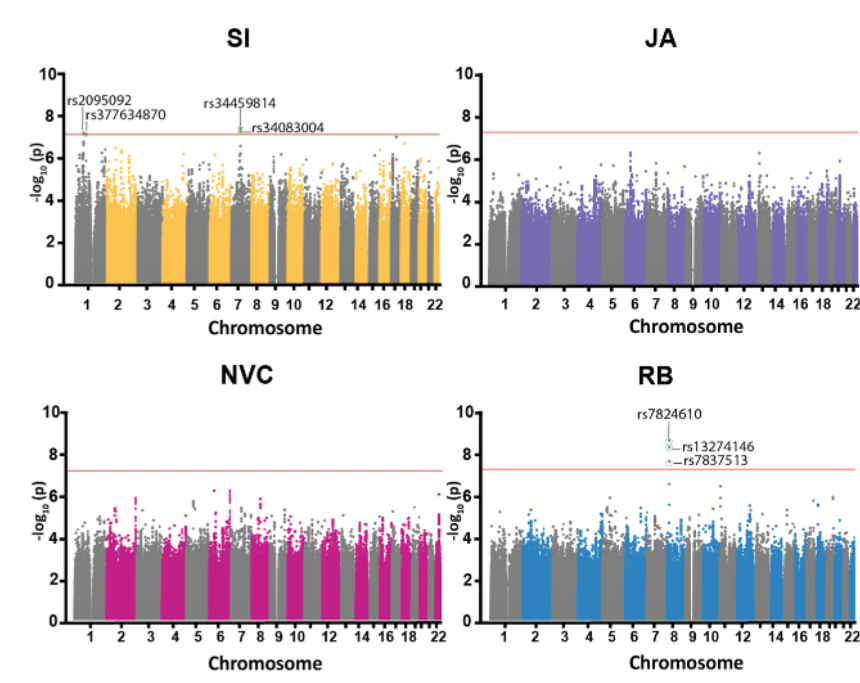
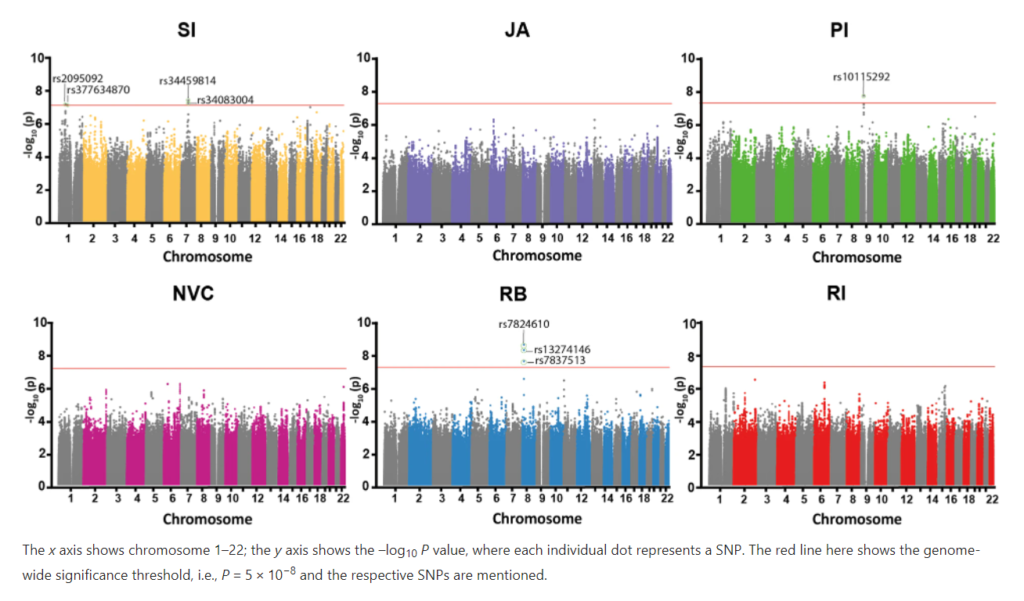
Common genetic variants explain a significant proportion of the genetic risk in autism or conduct disorder. However, it is unclear to what extent these variants also influence the expression of disorder associates phenotypes and which biological networks are particularly relevant. In this genome-wide study, we test common single nucleotide polymorphisms for association with clinical measures and identify the underlying genes. Bioinformatic and graph-theoretical analyses enable us to identify specific processes. Here we also draw on our cohort of families and affected individuals, which is unique in Germany. We also emphasise the many years of close collaboration with patients, relatives and clinics. The analysis and validation of the results are carried out in data from the Autism Genome Project and the SFARI Autism Initiative as well as the FemNAT/CD study.
Publications
Yousaf, A., Waltes, R., Haslinger, D. et al. Quantitative genome-wide association study of six phenotypic subdomains identifies novel genome-wide significant variants in autism spectrum disorder. Transl Psychiatry 10, 215 (2020). https://doi.org/10.1038/s41398-020-00906-2